
Fast protein, the new ally of broiler producers
By Marisabel Caballero, Category Manager Monogastrics, originally published on efeedlink.
The starter phase is one of the most critical periods in poultry production. Representing 20 to 30% of the broiler’s life, it influences lifetime growth, feed efficiency, and carcass yield. During this time, the chick transitions from yolk reserves to digesting and utilizing feed, while developing multiple tissues. Protein nutrition and kinetics play a central role, determining not only early but also overall performance.
Walking on a tightrope: matching early growth and digestive capacity
Currently, newly hatched broilers can almost quintuple their initial weight during the first week of life. This includes the rapid development of the digestive system, muscles, skeleton, and immune organs, while digestive enzyme production and other gut functions are not at full capacity. Early nutrition must be designed not just to meet requirements, but to facilitate the work of the chick’s immature gut.
For young chicks, consistent protein quality is critical; ideally, sources that are highly digestible, low in anti-nutritional factors, and rapidly digested and absorbed are preferred.
Anti-nutritional factors: adding difficulty to the Nutrition Act
Trypsin inhibitors (TI) are the primary anti-nutritional factors limiting protein availability. Naturally present in soybean meal, the main protein source in poultry diets, they block pancreatic proteases, reduce intestinal protein hydrolysis, and increase undigested protein reaching the hindgut. Limiting soybean meal in feeds is the most effective strategy to deal with this anti-nutritional factor.
Protein kinetics: availability beyond digestibility
Dietary protein provides the amino acids essential for early development; however, its value depends not only on digestibility but also on where and how fast it is digested and absorbed along the small intestine. Rapidly digested protein is deposited in tissues, whereas slowly digested protein is largely excreted. This concept, known as protein kinetics, can be summarized in four steps:
- The digestion of protein into peptides and amino acids.
- Absorption of amino acids from the intestinal lumen.
- Transfer across intestinal epithelial cells into portal circulation.
- Protein deposition in tissues, reflected in improved performance.
ESBM – the game changer in early nutrition
Hamlet Protein’s enzyme-treated soybean meal (HP-ESBM) is a functionally enhanced protein ingredient developed to support production animals during critical periods. Its patented process reduces anti-nutritional factors and improves protein digestibility and kinetics.
Typically included at 5% in starter feeds, HP-ESBM has consistently delivered improved performance beyond the feeding period. A recent study illustrates this by following the steps of the protein kinetics process.
For this, 300-day-old broilers were allocated to two treatments. During the first 10 days, the control group received a basal diet, and the treatment group a diet in which 5% of HP-ESBM substituted part of the SBM (Table 1), followed by common grower and finisher diets for all broilers.
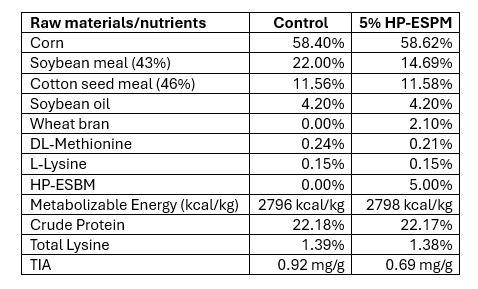
Table 1: Ingredients and nutrients in experimental diets (dry basis). All macro ingredients are shown; micro ingredients not shown are the same in both diets.
The results showed a positive impact on performance and on the protein kinetics process:
1. Digestion: on day 10, proteolytic enzyme activity in the duodenum, jejunum, and ileum was significantly higher in birds fed HP-ESBM (Figure 1). This response is attributed to the lower trypsin inhibitor activity (TIA) of the diet and to the greater peptide availability from HP-ESBM, stimulating carboxy and amino peptidase production.
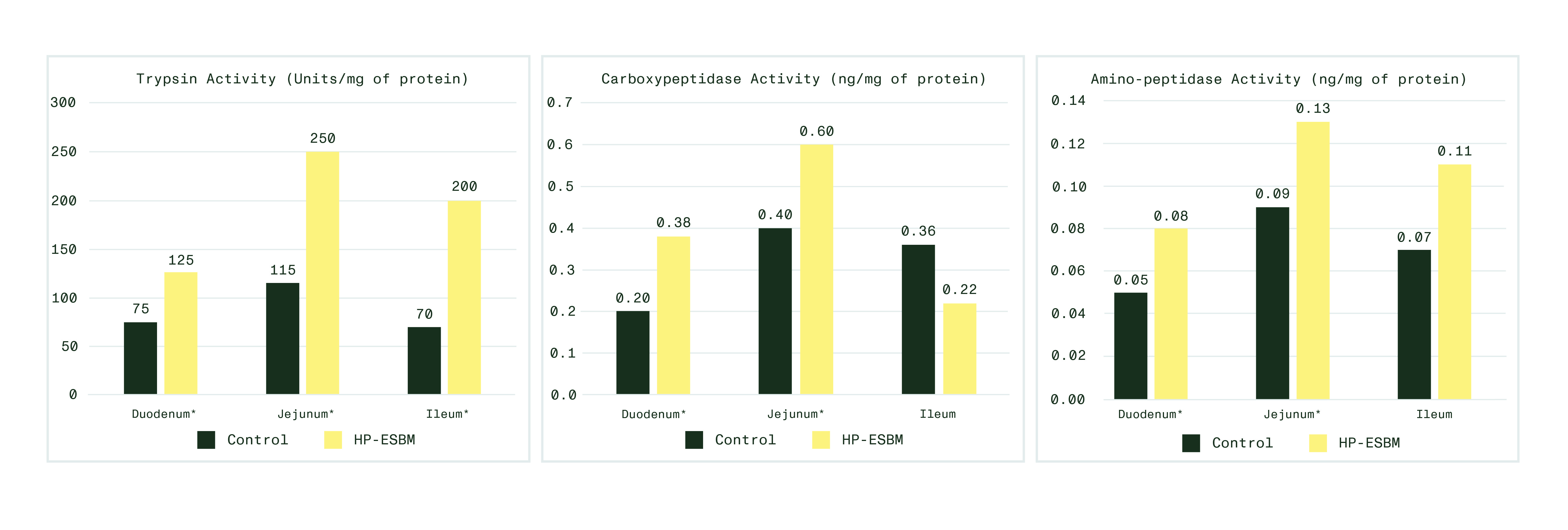
Figure 1: Trypsin, carboxypeptidase (CPA), and aminopeptidase-N (APN) activity in digesta of 10-day-old broilers fed the control diet and a diet in which 5% HP-ESBM has replaced part of the SBM. (*) indicate significant differences (p<0.05).
2. Absorption: protein transporters enable the digested protein to cross the intestinal epithelium. In young broilers, the peptide transporter PepT1 is essential as it develops early and facilitates efficient uptake of small peptides while the amino acid transporter capacity is still maturing. The expression of jejunal PepT1 was increased, along with key amino acid transporters, such as CAT1, responsible for arginine and lysine transport. These results are likely driven by the greater availability of small peptides and amino acids provided by HP-ESBM.
3. Portal circulation: enhanced digestion and transporter activity increased total serum amino acids by 44% in broilers fed HP-ESBM, with circulating lysine and arginine at least doubling – key for tissue accretion and immune function (Figure 2).
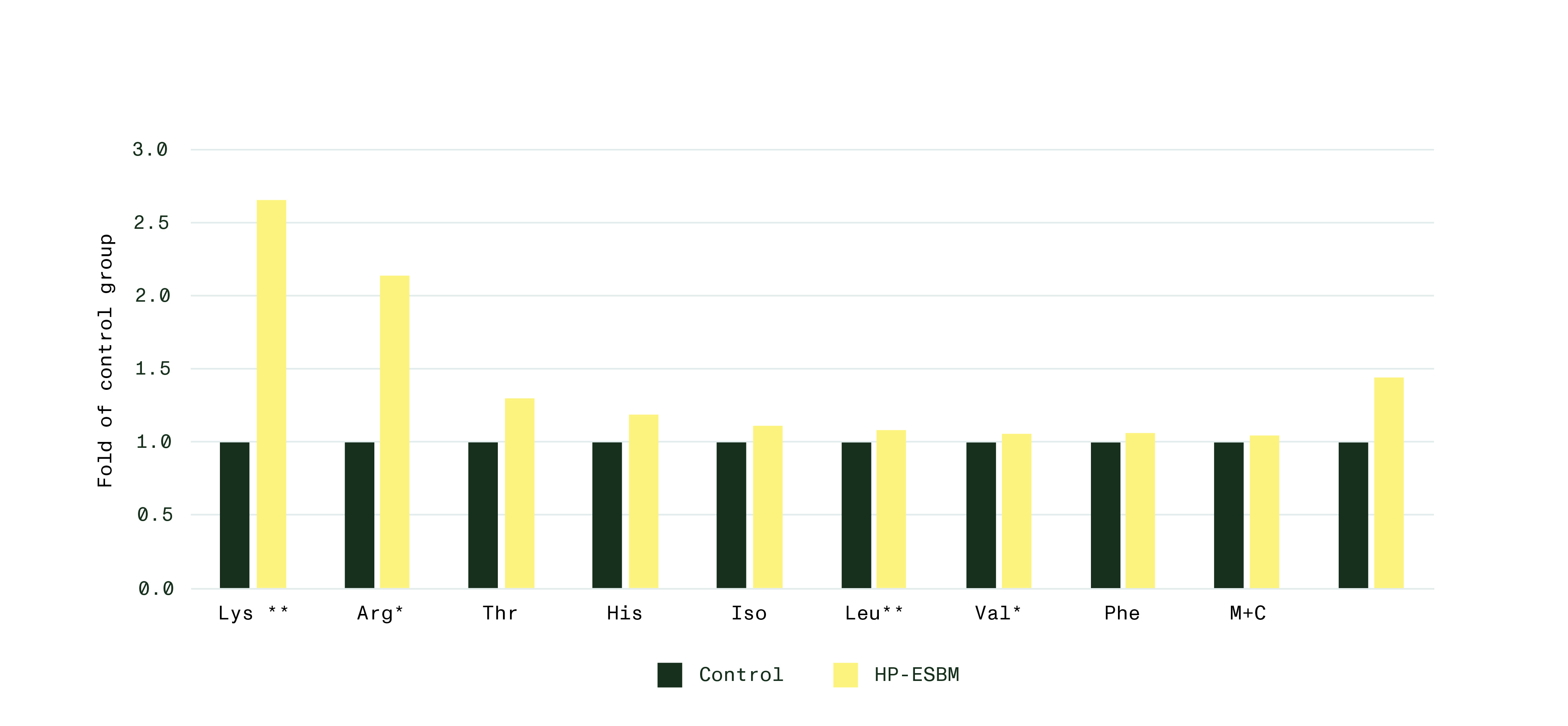
Figure 2: Serum amino acids compared to the control group, of 10-day-old broilers fed a diet in which 5% HP-ESBM has replaced part of the SBM. (*) indicate significant differences (p<0.05), and (**) when (p<0.001).
4. Performance: improved protein availability translated into better growth, with body weight 6.5% higher on day 10 and 4.0% higher at 42 days compared with the control (p<0.05), alongside a 3-point improvement in adjusted FCR.
HP-ESBM: early benefits are collected at the end
The positive carry-over effect of HP-ESBM extended beyond performance to improved gut health, with better barrier function and reduced oxidative stress, suggesting potential impacts on litter moisture and footpad dermatitis.
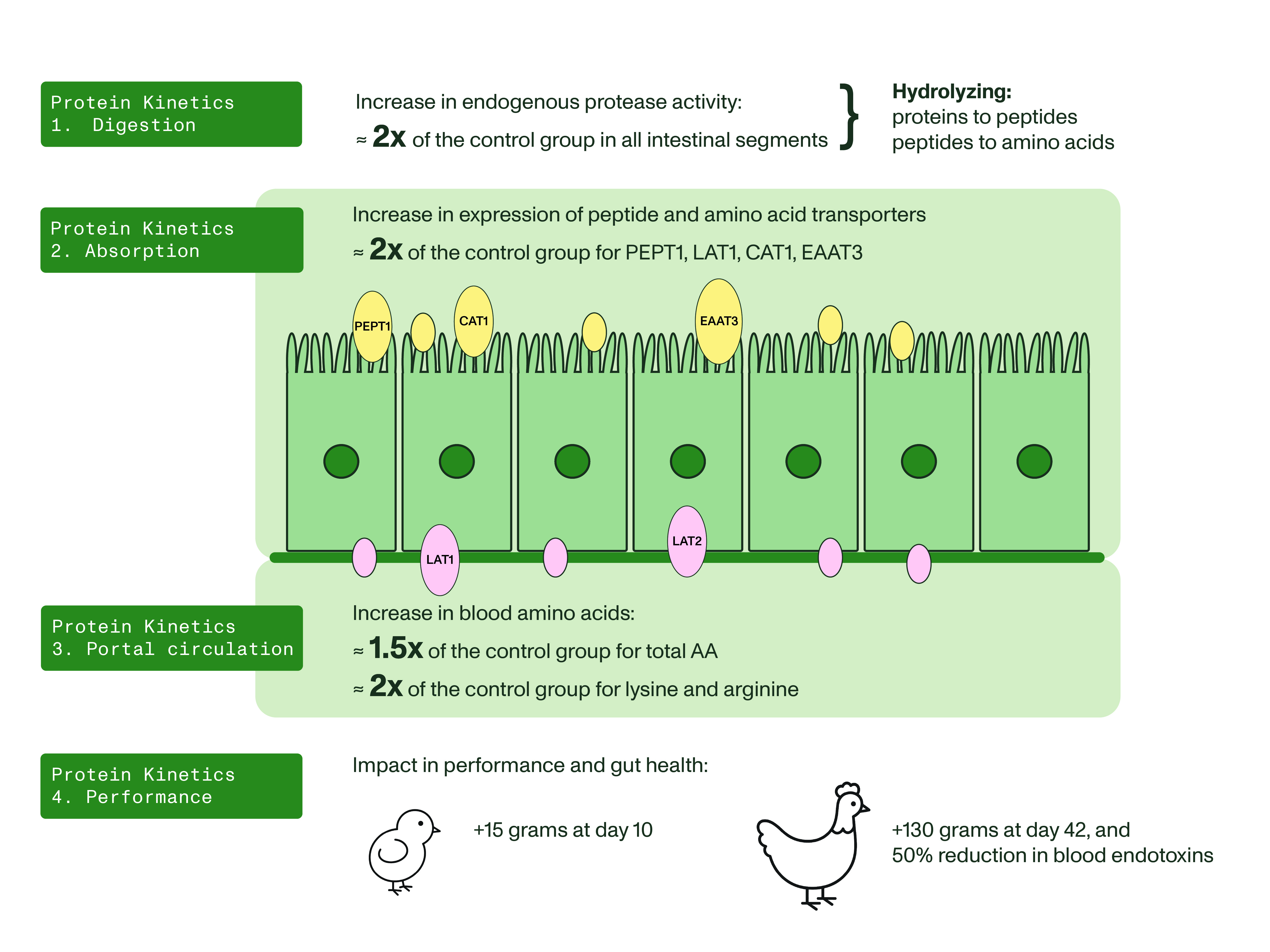
Figure 3 summarizes the long-lasting benefits of improving protein quality and kinetics during the starter phase. By reducing anti-nutritional factors and enhancing the availability of small peptides, HP-ESBM supports all four steps of protein kinetics.
In practice, optimizing early protein enables broilers to fully express their genetic potential, confirming the principle that investing in early nutrition is not a cost, but a strategic decision that delivers sustained performance and high overall value.
References available upon request.
Events with Hamlet Protein
We attend events around the world. Meet us at exhibitions and seminars - we always look forward to welcoming you!
We also sponsor conferences with focus on young animal nutrition.
Have a look below where to meet us next.

About HAMLET PROTEIN
